
Abastecimiento con certificación de la FDA y la LFGB utensilios de cocina de hierro fundido Para una cadena minorista europea, no se trata solo de encontrar el precio adecuado. Se trata de demostrar el cumplimiento normativo lote a lote, y las fábricas que superan estas pruebas de forma sistemática lo consiguen gracias a decisiones de ingeniería específicas y protocolos de calidad que la mayoría de las guías de abastecimiento pasan por alto.
Pensemos en la advertencia de la FDA de agosto de 2026 sobre ocho productos de menaje de cocina importados que liberaban plomo, una consecuencia directa de que los proveedores se basaran en certificados de materiales autodeclarados en lugar de realizar pruebas reales de migración. La norma LFGB añade otro nivel de control: pruebas sensoriales que detectan aceites de sazonado rancios o emisiones gaseosas procedentes del embalaje. Una fábrica construida en torno a la tecnología de la línea danesa DISA y Procesos auditados por la BSCI, al igual que Meiloz, integra el cumplimiento normativo en la producción en lugar de aplicarlo a posteriori. Esa diferencia es importante cuando un contenedor vale más que el margen obtenido de 200 cuentas minoristas.
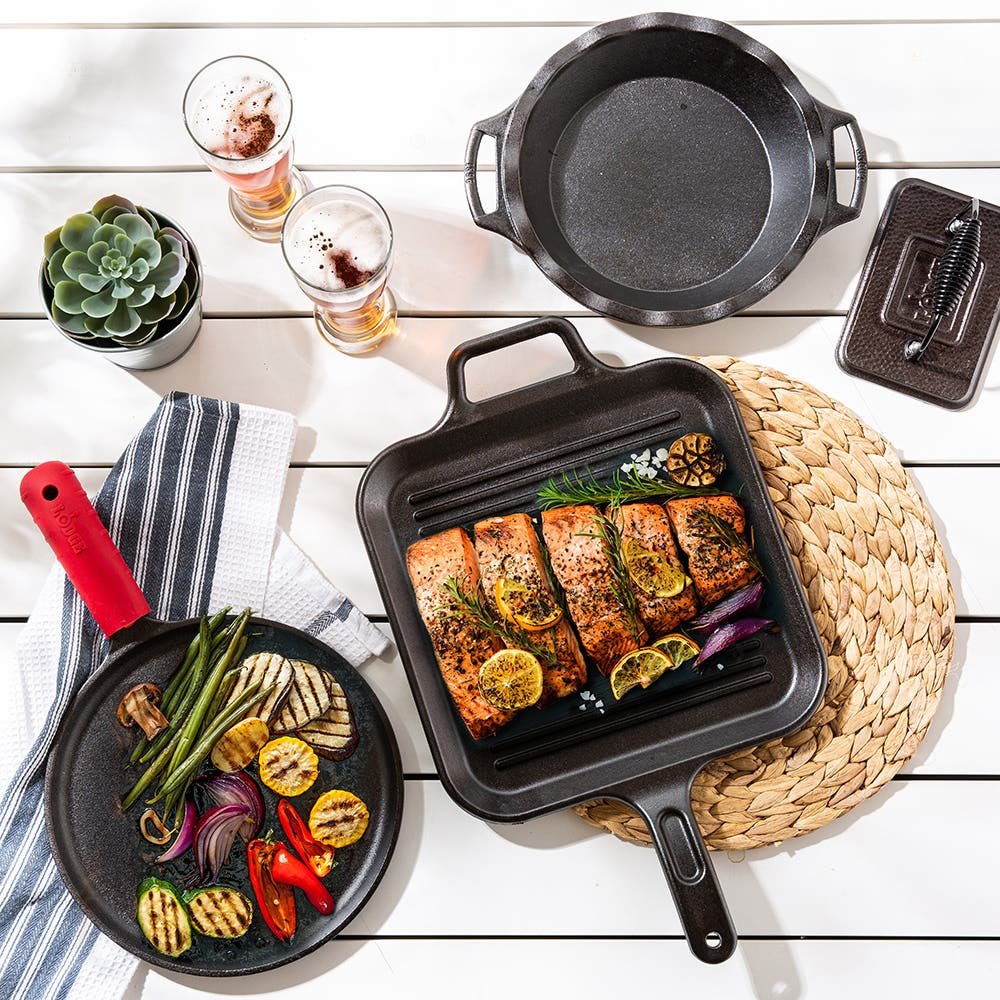
Por qué la mayoría de los productos de hierro fundido importados no superan los controles de la FDA y la LFGB
La advertencia de la FDA de agosto de 2026 demuestra que la autodeclaración de conformidad no es suficiente en el caso del hierro fundido.
La advertencia de la FDA de agosto de 2026 señalaba que los utensilios de cocina de aluminio y latón importados podían liberar plomo, pero el hierro fundido tampoco es una excepción. La chatarra contaminada utilizada en la fundición —a menudo procedente de fuentes recicladas del sector automovilístico o industrial— puede introducir plomo, cadmio o arsénico en la materia prima. Si su proveedor solo le facilita un certificado genérico del material sin informes de ensayos de migración específicos para cada lote, ese envase supone un riesgo real.
- Aceites inadecuados para el curado: Muchas fábricas utilizan aceites baratos y rancios para la capa de curado inicial. Estos aceites pueden no superar la prueba sensorial de la LFGB (olor, sabor, cambio de color) incluso cuando el metal cumple los límites de metales pesados. Las estimaciones del sector sitúan la tasa de fracaso sensorial en la primera prueba en aproximadamente 15%, una laguna que la mayoría de las guías de abastecimiento pasan por alto.
- Materia prima contaminada: El hierro fundido fabricado a partir de chatarra reciclada que contenga plomo o cadmio liberará dichos metales durante la cocción. La FDA y la LFGB exigen que se realicen ensayos de migración en condiciones de cocción simuladas (ácido acético 4% a 100 °C durante 2 horas). Una fábrica que omita este ensayo no puede garantizar el cumplimiento de la normativa.
- Exige informes de laboratorio acreditados: Solicita un informe completo de pruebas de migración de un laboratorio acreditado según la norma ISO 17025 (por ejemplo, TÜV, SGS, Bureau Veritas) para cada SKU. El certificado debe enumerar los metales pesados específicos analizados —plomo, cadmio, arsénico— e incluir los resultados del panel sensorial. No basta con una autodeclaración genérica del tipo ‘conforme a la FDA’.
- Comprobar la trazabilidad de las materias primas: Solicita certificados de fundición específicos para cada lote en los que se indique el origen del hierro en bruto o la chatarra utilizados. Una fábrica que no pueda rastrear su materia prima hasta el lote de fundición supone un mayor riesgo. Meiloz publica sus informes de ensayo y ofrece documentación de trazabilidad para cada ciclo de producción.
La LFGB incluye pruebas sensoriales (olor, sabor, cambio de color) que las pruebas basadas únicamente en los materiales no tienen en cuenta. Muchas fábricas chinas se saltan este paso por completo, al dar por hecho que basta con un certificado de metales pesados. Sin embargo, los minoristas de la UE exigen la declaración de conformidad completa según la LFGB, incluidos los resultados sensoriales del artículo 31 de la LMBG. Sin ella, su envío se queda retenido en la aduana o es rechazado en el punto de venta, lo que le supondrá un coste de más de $10 000 en concepto de almacenamiento, sanciones y tasas de reexportación.
La cruda realidad: los análisis realizados por terceros cuestan entre $500 y $2.000 por SKU, pero un contenedor que no supera los controles cuesta diez veces más. Para los importadores de la UE como Thomas Becker, el cumplimiento de la normativa LFGB es innegociable. Trabaja únicamente con proveedores que consideren las pruebas un requisito a nivel de lote, y no una simple casilla que marcar una sola vez. Meiloz lleva a cabo pruebas de migración y sensoriales en cada lote de producción, utilizando Tecnología de la línea DISA danesa para garantizar una calidad constante en la fundición: la misma tecnología que permite un control riguroso del espesor de las paredes y del acabado superficial, lo que reduce el riesgo de contaminación oculta.
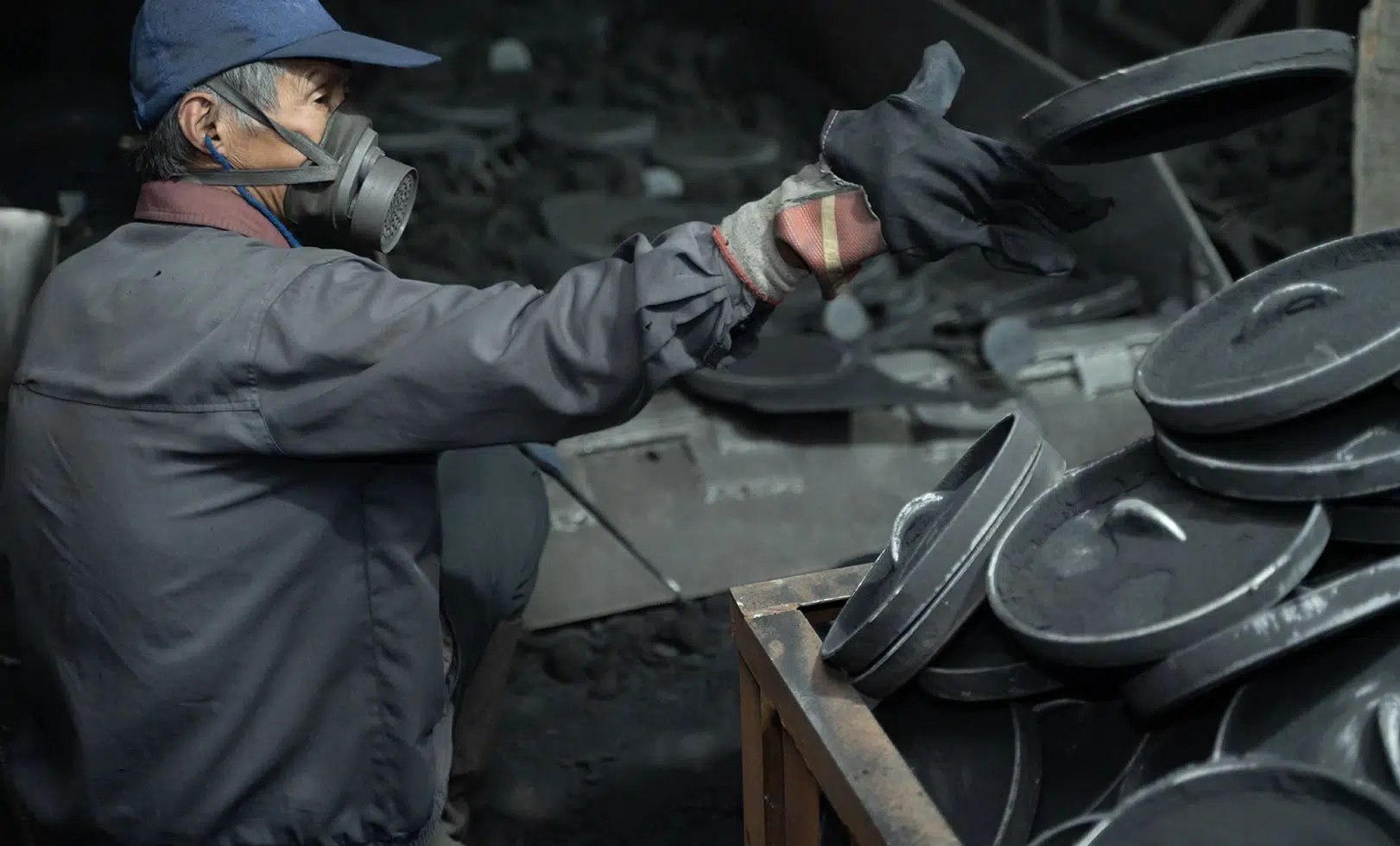
El coste real de los utensilios de cocina de hierro fundido que no cumplen la normativa
Un contenedor defectuoso cuesta $10k+ y puede impedir el acceso a las estanterías de la UE.
Un solo envío que no cumpla con la normativa te acarreará multas, gastos de almacenamiento y costes de reexportación que superan fácilmente los $10 000. Y lo que es más importante, si tu minorista de la UE rechaza el lote por carecer de un certificado LFGB válido, perderás ese contrato, posiblemente de forma definitiva. La advertencia de la FDA de agosto de 2026 sobre la lixiviación de plomo en utensilios de cocina importados demuestra que tanto las aduanas estadounidenses como las europeas están intensificando los controles.
- Coste por rechazo de contenedores: Las multas habituales, el almacenamiento en el puerto y los gastos de envío de devolución suman entre $10 000 y $15 000 por contenedor de 20 pies. Esto no incluye la pérdida de ventas ni el daño a la reputación de su marca.
- Acceso a las estanterías de la UE: Los minoristas europeos exigen un informe de ensayo válido conforme a la LFGB para cada referencia antes de incluir el producto en su catálogo. Si no se presenta el informe, el producto no tendrá cabida en las estanterías. Muchas fábricas adquieren certificados genéricos, pero los minoristas ahora comprueban que coincidan con los números de laboratorios independientes.
- Riesgo de la autodeclaración de la FDA: La mayoría de los proveedores chinos afirman cumplir con las normas de la FDA sin realizar pruebas reales de migración de metales pesados. Si tu producto es objeto de una alerta, tú asumes toda la responsabilidad en caso de retirada del mercado; la fábrica no se hará cargo de ello.
- Presupuesto para pruebas: Las pruebas completas realizadas por terceros (migración + análisis sensorial) cuestan entre $500 y $2.000 por SKU. Si se incluye este gasto en el presupuesto de tu proceso de calificación de proveedores, se elimina el riesgo de que un contenedor resulte afectado, lo que supondría un coste de $15.000.
Una fábrica que supere las pruebas sensoriales de la LFGB (aproximadamente 15% de hierro fundido recién curado no supera las pruebas debido al aceite rancio o a los olores del embalaje) y se someta a auditorías de la BSCI es una opción más segura. Meiloz, por ejemplo, proporciona informes de pruebas de la FDA y la LFGB con cada pedido y cuenta con la certificación BSCI, lo que significa que puedes verificar el cumplimiento de la normativa antes de que el contenedor zarpe.
| Categoría de costes | Descripción | Coste estimado | Repercusión en la empresa |
|---|---|---|---|
| Pruebas de conformidad | Pruebas sensoriales y de migración realizadas por terceros, conforme a la FDA y la LFGB, para cada SKU | $500 – $2.000 por SKU | Evita el rechazo de contenedores; fomenta la confianza entre los minoristas de la UE y EE. UU. |
| Rechazo de contenedores | Multas, gastos de almacenamiento, reexportación o destrucción de los envíos que incumplan la normativa | $10 000+ por contenedor rechazado | Pérdidas económicas inmediatas; retrasos en la cadena de suministro; sanciones a los minoristas |
| Pérdida de contratos con minoristas | Los minoristas de la UE exigen el cumplimiento de las normas LFGB y BSCI; el incumplimiento anula los acuerdos a largo plazo. | Millones potenciales en pérdidas de ingresos anuales | Daño irreparable a la imagen de marca; exclusión de las listas de proveedores |
| Retirada del mercado / Medida reguladora | Advertencia de la FDA (agosto de 2026) o retirada del mercado según la LFGB por lixiviación de plomo y cadmio | $50 000+ por la retirada del mercado + gastos legales + costes de comunicación | Riesgo para la salud de los consumidores; demandas por responsabilidad civil; prohibición de comercialización |
LFGB frente a la FDA: ¿qué normativa es más estricta para el hierro fundido?
La LFGB exige pruebas sensoriales que detecten la transferencia de sabor, mientras que la FDA no lo hace.
La diferencia entre la FDA y la LFGB en lo que respecta a los utensilios de cocina de hierro fundido se reduce a un único aspecto: los ensayos sensoriales. La FDA acepta la autodeclaración de la composición de las aleaciones metálicas y establece límites para la migración de plomo y cadmio. La LFGB va más allá: exige pruebas realizadas por terceros (según el artículo 31 de la LMBG) para determinar la migración global (límite de 60 mg/kg), los metales pesados (plomo por debajo de 0,1 mg/L, cadmio por debajo de 0,005 mg/L) y una evaluación sensorial completa. Esto significa que un panel de expertos comprueba la presencia de olores extraños, sabores extraños y cambios de color tras una simulación de cocción. Una fábrica que cumpla con la normativa LFGB puede cumplir fácilmente con los requisitos de la FDA, pero no se garantiza que lo contrario sea así.
- Brecha sensorial: La FDA no establece ningún requisito relativo a la transferencia de sabor procedente de los aceites de condimentación ni a los olores residuales del envase. La LFGB exige que los aceites utilizados en el condimentado posterior a la producción no alteren el sabor de los alimentos. Según estimaciones del sector, la tasa de rechazo en la primera inspección se sitúa en ~15% debido al aceite rancio.
- Diferencia en el coste de las pruebas: La migración completa según la LFGB, más las pruebas sensoriales, cuesta entre $500 y $2.000 por SKU. La autodeclaración de la FDA cuesta prácticamente nada. Sin embargo, un solo contenedor que no supere los controles puede suponer un gasto de más de $10 000 en retención, almacenamiento y reexportación, mucho más que lo que cuesta realizar las pruebas por adelantado.
- Advertencia real: Alerta de la FDA de agosto de 2026: retirada del mercado de utensilios de cocina importados (aluminio/latón) por lixiviación de plomo. El hierro fundido también puede presentar fallos cuando se fabrica a partir de chatarra contaminada. La autodeclaración por sí sola no detecta ese problema. El informe obligatorio de terceros exigido por la LFGB sí lo hace.
Cómo verificar los certificados de la FDA y la LFGB de una fábrica
Un certificado genérico no significa nada.
La mayoría de los importadores se conforman con un PDF escaneado titulado ‘Certificado de la FDA’ y lo consideran una medida de diligencia debida. Ese documento suele ser una autodeclaración de la composición del material, no una prueba de la migración de metales pesados en condiciones de cocción simuladas. El Agosto de 2026: advertencia de la FDA El caso de los utensilios de cocina importados que liberaban cantidades significativas de plomo demostró que basarse únicamente en la autodeclaración puede costarte un contenedor… y tu contrato con el minorista.
- Informe de pruebas por SKU: Solicita el informe específico correspondiente al modelo exacto que vas a comprar, no un certificado genérico de la gama. Cada forma, tamaño y acabado (seco frente a esmaltado) puede dar lugar a resultados de migración distintos. Los registros de lote de fábrica deben coincidir con el número del informe.
- Acreditación de laboratorios según la norma ISO 17025: El laboratorio de ensayos debe ser Acreditado según la norma ISO 17025 (por ejemplo, SGS, TÜV, Intertek). Comprueba que el ámbito de acreditación abarque la migración en contacto con alimentos. Si el nombre del laboratorio no figura en el registro del organismo de acreditación, el informe carece de validez para los minoristas de la UE.
- Prueba completa de migración de metales pesados: El informe debe indicar los límites específicos para el plomo, el cadmio, el arsénico y el mercurio, y no limitarse a indicar que ‘cumple los requisitos’. Según la LFGB, el límite de plomo es < 0,1 mg/L; según la FDA, depende del protocolo de lixiviación. El hierro fundido esmaltado requiere controles adicionales de migración en el recubrimiento.
- Confirmación de la prueba sensorial según la LFGB: La normativa LFGB exige que los miembros del panel huelan, prueben e inspeccionen visualmente la sartén tras calentarla. Aproximadamente el 15% de las sartenes de hierro fundido que se curan por primera vez no superan la prueba debido al aceite rancio o a los olores del embalaje. Solicita los resultados de la prueba sensorial; si solo te facilitan un informe de migración, el cumplimiento de la normativa LFGB es incompleto.
Una fábrica que comparte abiertamente sus informes por SKU y la acreditación de su laboratorio tiene muchas menos probabilidades de adquirir certificados falsos. Meiloz, por ejemplo, cuenta con la certificación BSCI y proporciona informes de la FDA y la LFGB para cada pedido personalizado, incluyendo los datos del laboratorio acreditado según la norma ISO 17025. Si un proveedor se muestra reacio a compartir el informe antes de que realices un pedido, esa reticencia es una señal de alarma.
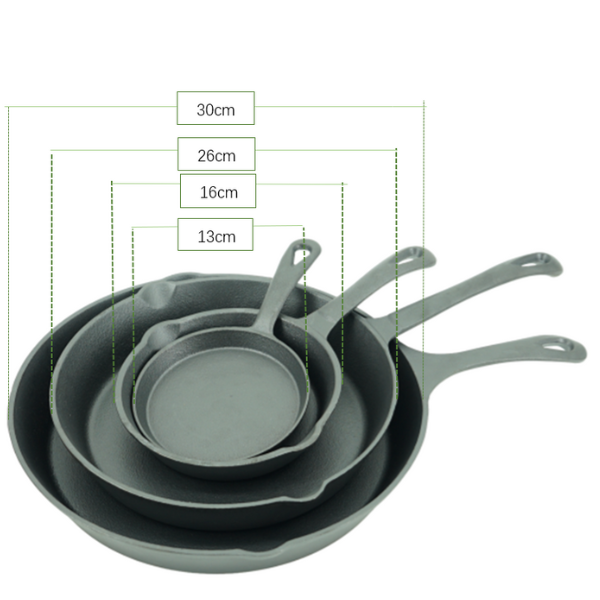
Las tres pruebas de cumplimiento más importantes que debe superar tu proveedor
Las pruebas sensoriales de la LFGB detectan lo que las pruebas de materiales pasan por alto: el modelo 15% de hierro fundido con el primer curado no supera la prueba solo con aceite rancio.
La advertencia de la FDA de agosto de 2026 señalaba que los utensilios de cocina importados liberaban plomo y, aunque la atención se centró en el aluminio y el latón, el hierro fundido tampoco es inmune. La chatarra de hierro contaminada o los aceites de curado de baja calidad pueden hacer que los metales pesados pasen a los alimentos. La diferencia entre que un producto pase la inspección o sea objeto de una retirada del mercado suele reducirse a tres pruebas, y la mayoría de las fábricas chinas solo realizan una de ellas.
- Migración de metales pesados: La LFGB simula la cocción con ácido acético 4% a 100 °C y establece un límite para el plomo inferior a 0,1 mg/L y para el cadmio inferior a 0,005 mg/L. El protocolo de la FDA utiliza una prueba de lixiviación similar, pero acepta la autodeclaración sin necesidad de respaldo de terceros. Un solo lote con materia prima contaminada —por ejemplo, chatarra de hierro que contenga plomo— no superará ninguna de las dos pruebas. Solicita el informe de migración por referencia de producto (SKU), no un certificado genérico de materiales.
- Prueba sensorial (solo LFGB): Un panel de expertos evalúa el olor, el sabor y los cambios de color tras el calentamiento. Según las estimaciones del sector, la tasa de fallo en la primera prueba para hierro fundido sazonado en torno a los 15%, normalmente porque el aceite de maduración posterior a la producción se ha vuelto rancio o porque los materiales de envasado han desprendido un olor a plástico. Esta prueba es obligatoria para acceder al mercado de la UE, pero no figura en absoluto entre los requisitos de la FDA. Si tu proveedor no puede demostrar que ha superado la prueba sensorial, el contenedor corre el riesgo de ser rechazado en Róterdam.
- Límite global de migración: La normativa LFGB limita el total de residuos no volátiles a 60 mg/kg de simulante alimentario. La mayoría de las fábricas chinas no comprueban este parámetro hasta que un laboratorio independiente lo señala durante la inspección previa al envío. Superar el límite suele indicar una aplicación excesiva de aceite o un curado inadecuado; ambos problemas se pueden solucionar, pero resultan costosos si se detectan tras la producción. Prevea un presupuesto de entre $500 y $2.000 por referencia para un análisis completo de migración más un panel sensorial, y compárelo con los más de $10.000 en multas, almacenamiento y reexportación que supone un solo contenedor que no cumpla con la normativa.
Cómo adquirir hierro fundido certificado sin quemarse
Las pruebas realizadas por terceros cuestan entre $500 y $2.000 por SKU; un solo contenedor defectuoso puede costar más de $10.000.
Empieza por solicitar los informes de ensayo de la fábrica por cada SKU, no un certificado genérico. Comprueba que el laboratorio cuente con la acreditación ISO 17025. En el caso de la LFGB, asegúrate de que el informe incluya ensayos sensoriales (olor, sabor, color); es habitual que los aceites de sazonamiento de la primera tirada presenten una tasa de fallo de 15%. Insiste en ver los resultados reales de migración de plomo (< 0,1 mg/l según la LFGB) y cadmio (< 0,005 mg/l).
- Déficit de certificación: Muchas fábricas chinas afirman cumplir con los requisitos de la FDA sin realizar pruebas de migración de metales pesados. Se basan en certificados de materiales genéricos que no tienen en cuenta la lixiviación en condiciones de cocción.
- Trampa LFGB: Las pruebas sensoriales detectan sabores extraños procedentes de aceites de condimento rancios u olores residuales del envase, problemas que el análisis de la pureza de los materiales no detecta. Una fábrica que cumple con la normativa LFGB puede cumplir fácilmente con la de la FDA, pero no al revés.
- Riesgo relacionado con las materias primas: El hierro fundido fabricado a partir de chatarra con un alto contenido en plomo puede no superar las pruebas de migración. Exige siempre la trazabilidad del origen del hierro y un informe de un organismo independiente para cada nuevo lote de producción.
Antes de realizar un pedido de contenedores, concierta una inspección previa al envío con SGS, Bureau Veritas o un organismo similar. Confirma la cantidad mínima de pedido (MOQ) para los artículos en stock certificados: Meiloz ofrece una MOQ de 500 unidades para el hierro fundido curado y esmaltado, con informes completos de pruebas de la FDA y la LFGB. Solicite primero una muestra; si la fábrica se muestra reacia a proporcionársela o alega que el certificado cubre todas las referencias, descarte la oferta.
Conclusión
El cumplimiento de las normas de la FDA y la LFGB para los utensilios de cocina de hierro fundido no es una simple casilla que marcar: es un proceso que exige materias primas trazables, ensayos documentados realizados por terceros y una fábrica que invierta en los protocolos sensoriales y de migración que la mayoría de los proveedores omiten. La advertencia de la FDA de agosto de 2026 sobre las importaciones con lixiviación de plomo dejó claro que la autodeclaración por sí sola es un riesgo que no querrás asumir en tu cuenta de resultados.
Puedes comprobar que una fábrica cumple con los requisitos antes de comprometerte a adquirir un contenedor. Empieza por solicitar el informe de pruebas por SKU a un laboratorio acreditado según la norma ISO 17025 y, a continuación, confirma que la auditoría de la BSCI abarca las líneas de producción que vas a utilizar. Consulte los precios actuales y las opciones de tamaños personalizados en la página del catálogo para comparar cómo encajan el stock certificado y los moldes personalizados en su plan de aprovisionamiento para el segundo trimestre.
Preguntas frecuentes
¿Qué sartenes es mejor evitar?
Evita las sartenes antiadherentes con recubrimientos de PFAS o PFOA, así como el hierro fundido barato con aceites de curado de origen desconocido que puedan liberar metales pesados. En el caso del hierro fundido, evita las marcas sin recubrimiento que no puedan presentar certificados de terceros avalados por la FDA. Solicita siempre los informes de ensayo de cada lote de producción.
¿Qué marca de hierro fundido se fabrica en EE. UU.?
Lodge es la marca de productos de hierro fundido con sede en EE. UU. más conocida; su planta de fabricación se encuentra en South Pittsburgh, Tennessee. Otros fabricantes estadounidenses son Finex y Starg, pero hay que tener en cuenta que sus precios son más elevados y sus plazos de entrega más largos en comparación con los de Lodge. Para la venta al por mayor, compara los costes y los plazos de entrega de los fabricantes de EE. UU. con los de los fabricantes chinos.
¿Las sartenes de hierro fundido de Le Creuset contienen PFAS?
El hierro fundido esmaltado de Le Creuset no contiene PFAS en el propio esmalte. Sin embargo, sus sartenes antiadherentes pueden contener PFAS, por lo que conviene consultar la línea de productos concreta. Comprueba la presencia de PFAS por línea de productos, no solo por la marca.
¿Qué es lo que nunca se debe cocinar en utensilios de hierro fundido?
Evita cocinar durante mucho tiempo alimentos muy ácidos, como la salsa de tomate o el vino, ya que esto puede dañar el revestimiento y hacer que el hierro se filtre en los alimentos. Evita también los pescados delicados que puedan pegarse y romperse. Para obtener los mejores resultados, utiliza grasas neutras y dora los alimentos a fuego fuerte.
¿Qué utensilios de cocina de la referencia 100% no son tóxicos?
El hierro fundido curado, el acero inoxidable puro y el vidrio sin recubrimiento se consideran no tóxicos según la norma 100%, al no presentar recubrimientos. En el caso del hierro fundido, asegúrate de que el aceite de curado sea apto para uso alimentario y de que el fabricante facilite informes de ensayo de la FDA o la LFGB. Verifica siempre que no sean tóxicos mediante informes de ensayo de terceros.